
The Africa President’s Cup G3, scheduled to take place in the Republic of the Congo, represents a strategic opportunity for African athletes to earn valuable Olympic ranking points. However, its date could become a disadvantage.
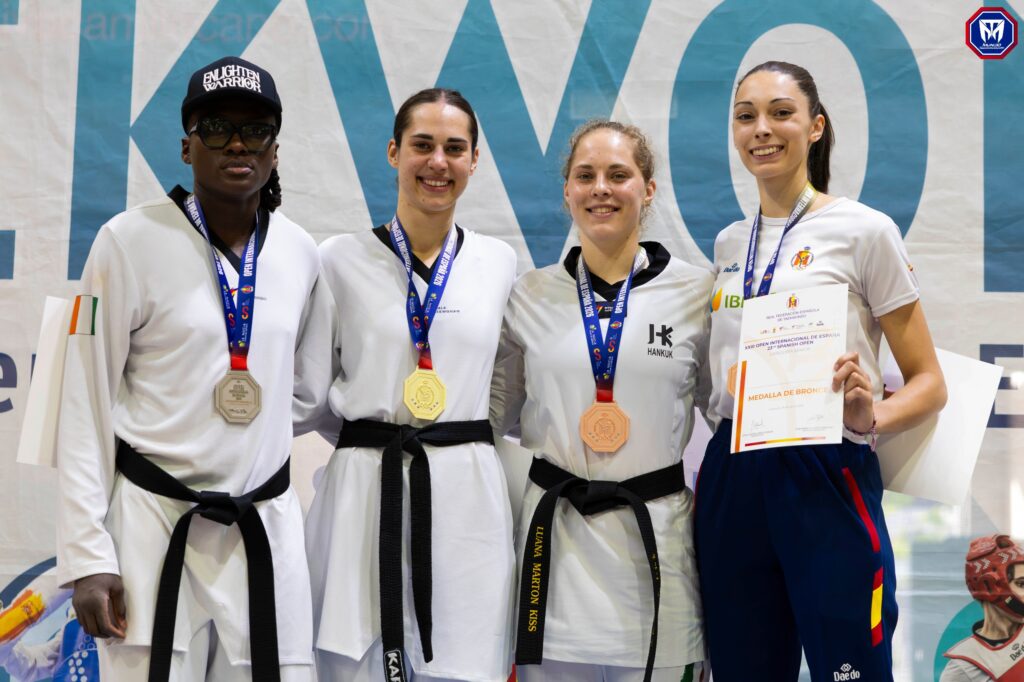
The 2026 Africa President’s Cup, scheduled for 25–27 November in the Republic of the Congo, is set to become one of the most important competitions on the continental calendar.
As a G3-ranked event, the tournament represents a highly valuable opportunity for African athletes seeking to earn points, climb the rankings, improve their seeding positions and strengthen their prospects on the road to the Los Angeles 2028 Olympic Games.
However, several team officials have respectfully expressed concerns regarding the position of the President’s Cup within the international calendar.
The main concern is that the event is scheduled to take place after the expected ranking cut-off date that will determine the qualified athletes and seeding positions for the World Taekwondo Grand Prix Final in Kazakhstan.
Should the announced dates remain unchanged, the points earned at the Africa President’s Cup would retain their value within the rankings, but they might not be counted in time to influence qualification or seeding ahead of the Grand Prix Final in Kazakhstan.
This situation would reduce one of the main immediate benefits of a G3 competition for athletes from the African continent.
A difference compared with other regions
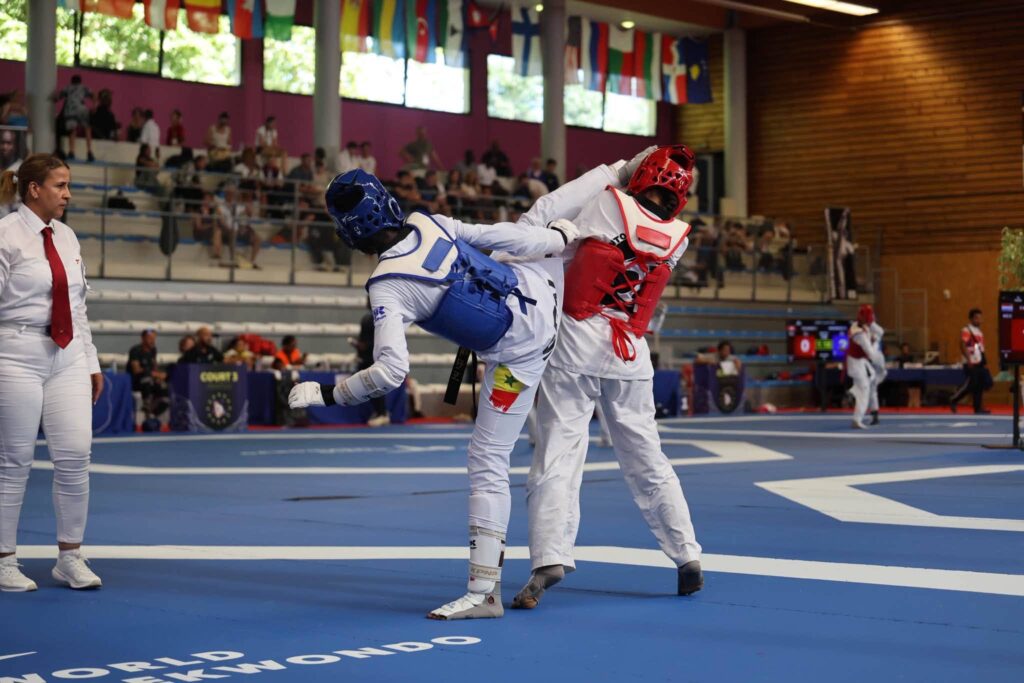
President’s Cup competitions are designed to provide athletes from each continent with an additional opportunity to earn international ranking points.
In this regard, some sectors of African taekwondo believe it is important for their athletes to benefit from the competition under conditions similar to those offered to representatives from Europe, Asia, Pan America and Oceania, whose respective President’s Cups were held, or are scheduled to be held, at earlier stages of the season.
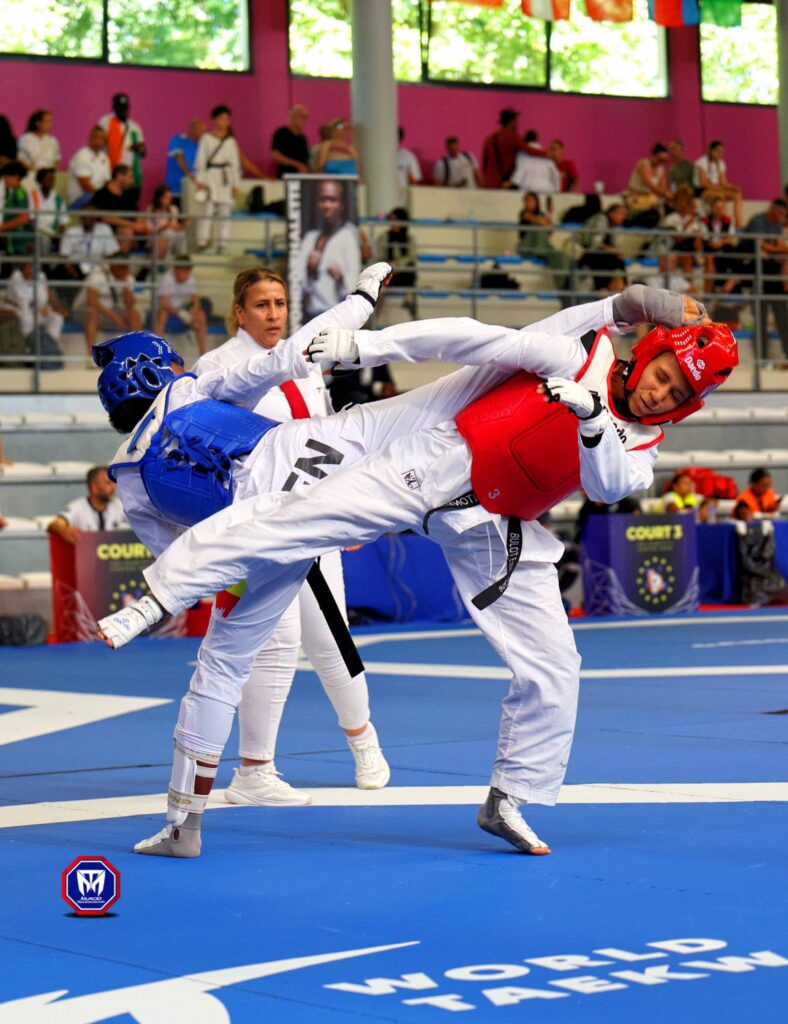
The concern is not related to the value of the African event, but rather to the timing of the competition.
A G3 tournament can make a considerable difference to an athlete’s ambitions. The points awarded may prove decisive in helping competitors climb the rankings, improve their draws at future events or move closer to qualification places for World Taekwondo’s leading competitions, all with the Los Angeles Games firmly in sight.
For this reason, holding the President’s Cup after an important ranking cut-off date could limit its immediate impact on the aspirations of some athletes. It is hoped that this situation will be reviewed and that further information will become available in the coming days.
Possible clash with the Grand Prix Final
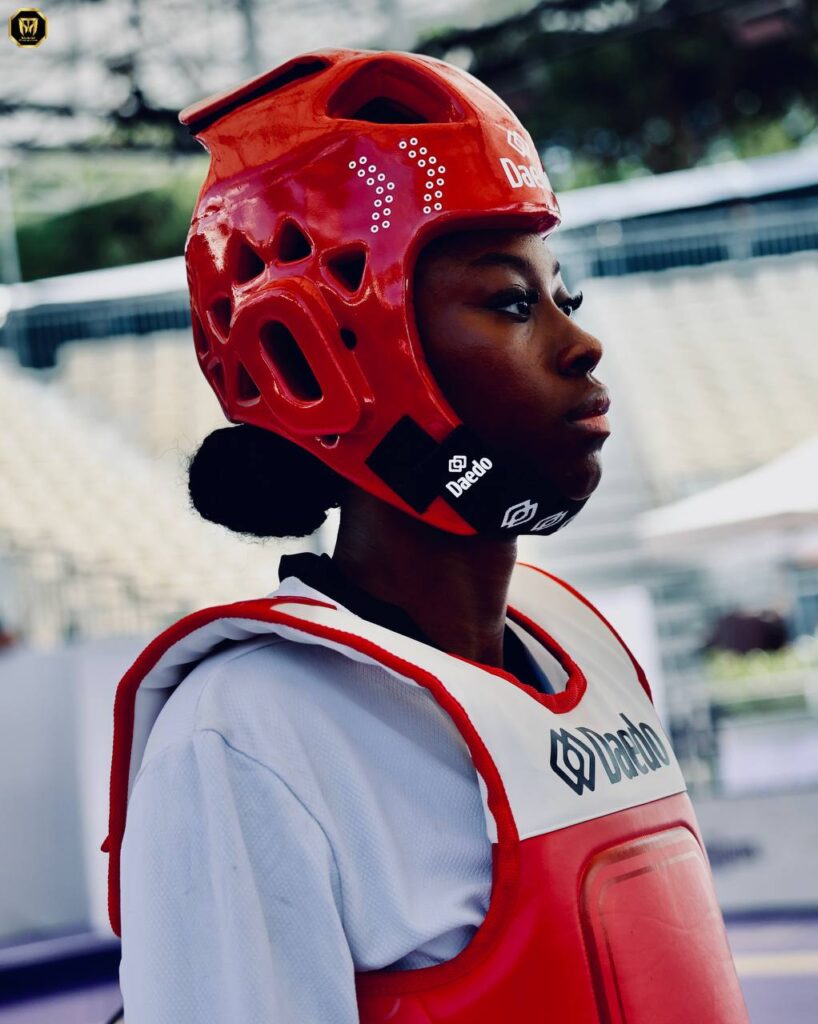
Another issue attracting attention is the possible overlap between the Africa President’s Cup and the Grand Prix Final scheduled to take place in Kazakhstan.
World Taekwondo’s official calendar remains subject to updates, making it important to definitively confirm the dates of both events. Nevertheless, the information currently available to teams places both competitions within the same period in November.
World Taekwondo’s calendar identifies 2026 as the year in which the Grand Prix circuit returns, while also indicating that its events remain subject to possible changes.
In the event of a direct clash, the leading African athletes who qualify for the Grand Prix Final would have to choose between travelling to Kazakhstan and participating in their continental President’s Cup.
Such a scenario could affect both the athletes and the African event.
The athletes would lose the opportunity to compete in one of the two tournaments, while the President’s Cup could be deprived of some of the region’s most prominent stars.
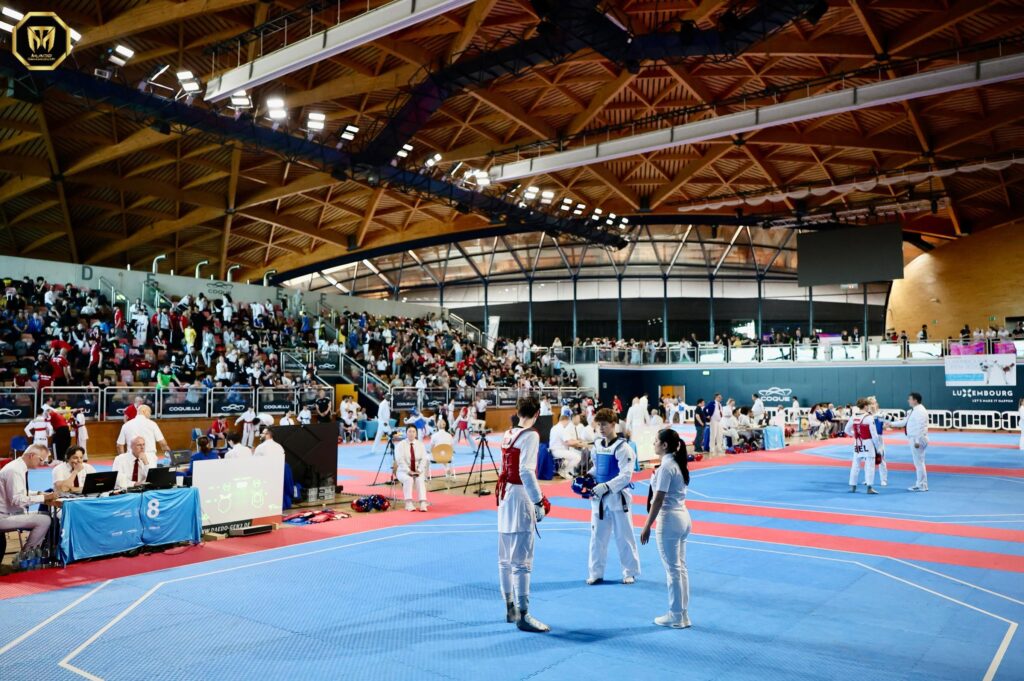
In addition to the dates themselves, travel times, flight connections, weigh-ins, physical recovery and adaptation between countries must also be considered.
Even with several days separating the two competitions, taking part in two events of the highest competitive level in different regions could become an extremely difficult challenge.
Athletes at the centre of planning
Africa currently enjoys outstanding international representation, led by world champions, Olympic medallists and regular competitors on the World Taekwondo circuit.
Among the athletes who could have sporting interests connected to both the President’s Cup and the Grand Prix Final are Tunisia’s Mohamed Khalil Jendoubi, Firas Katoussi, Ruth Gbagbi, Kimi Ossin, Chaima Toumi and Wafa Masghouni; Egypt’s Seif Eissa and Aya Shehata; Burkina Faso’s Faysal Sawadogo, Nigeria’s Elizabeth Oluchi Anyanacho and others.
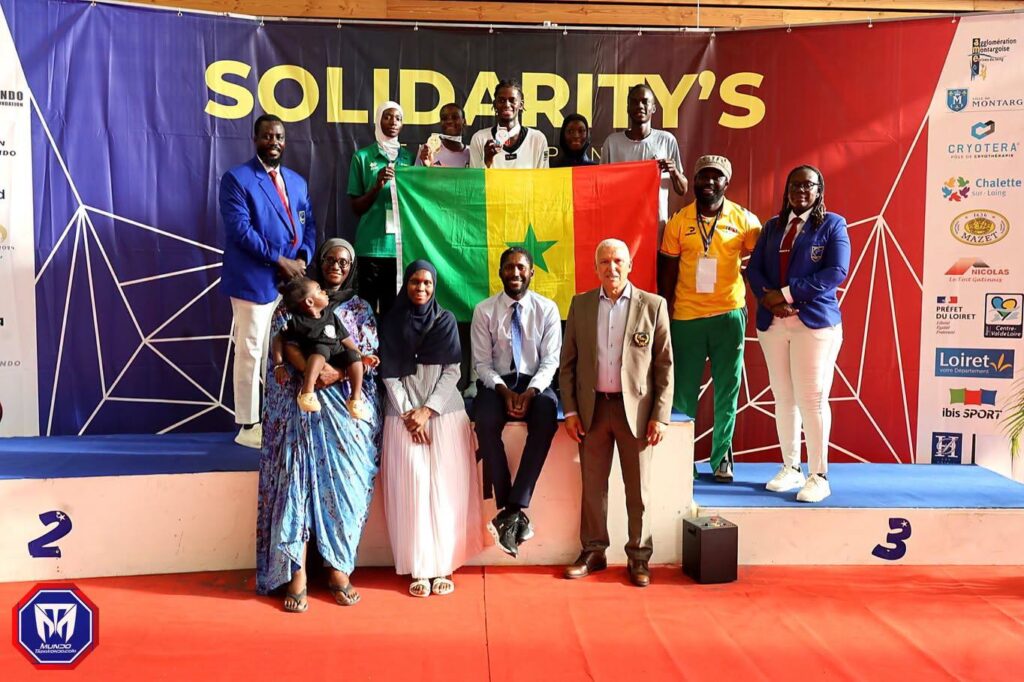
These are active athletes within the current competitive cycle and form part of an African generation with a consistent presence at continental championships, Grand Prix events, World Championships and Olympic Games.
They are joined by other emerging athletes who need opportunities to earn ranking points and progress within the international standings.
A concern raised in a constructive spirit
The concerns expressed by several teams should not be interpreted as criticism of the Republic of the Congo, the African Taekwondo Union or the organising committee.
The objective is to contribute to the success of a competition that could be highly beneficial for African taekwondo.
The Republic of the Congo will have the opportunity to welcome delegations from different countries, promote the discipline within its territory and demonstrate its ability to organise an international G3 event.
Clear and coordinated communication would facilitate planning for Member National Associations and allow teams to organise their travel arrangements with greater certainty.
The possibility of reviewing the calendar
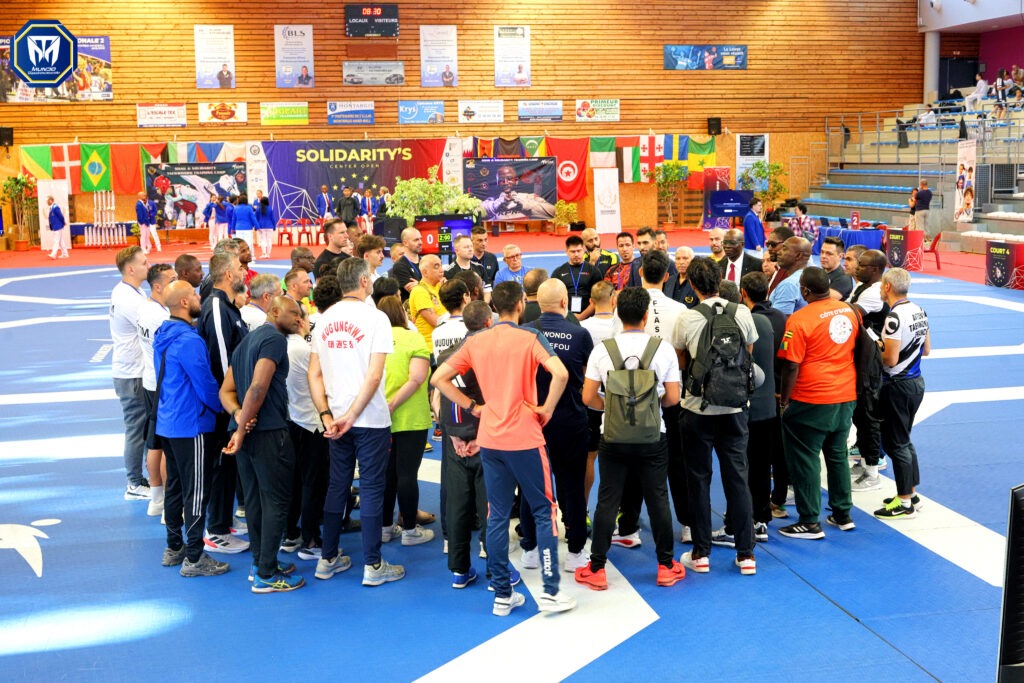
World Taekwondo, the African Taekwondo Union and the organising committee could jointly examine the available alternatives to maximise participation.
The most favourable option for the athletes would be to consider, whenever organisational conditions permit, either a change of venue or a date change that would place the event before the ranking cut-off used to determine qualification for the Grand Prix Final.
This would allow the G3 points earned at the President’s Cup to have an immediate impact and would increase interest among national teams.
It would also prevent Africa’s leading representatives from being forced to choose between two important competitions.
However, changing the dates requires the assessment of numerous factors, including venue availability, accommodation, technical officials, international referees, electronic scoring systems, suppliers, visas, flights and financial resources.
Any proposal must therefore recognise and protect the work already carried out by the organisers.
Should a change prove unfeasible, sufficient separation between the two competitions could be considered, together with logistical measures designed to facilitate the participation of athletes who qualify for Kazakhstan.
The fundamental objective must be to find a solution that benefits the event while placing the sporting needs of the athletes at the centre of the planning process.
An opportunity to strengthen African taekwondo
African taekwondo is currently going through a period of consolidation. Its representatives have won Olympic medals, world titles and podium finishes at the most important international competitions. At the same time, a new generation needs more high-quality events, greater opportunities to earn ranking points and competitive environments in which to gain experience.
The Africa President’s Cup can play a decisive role in this process.
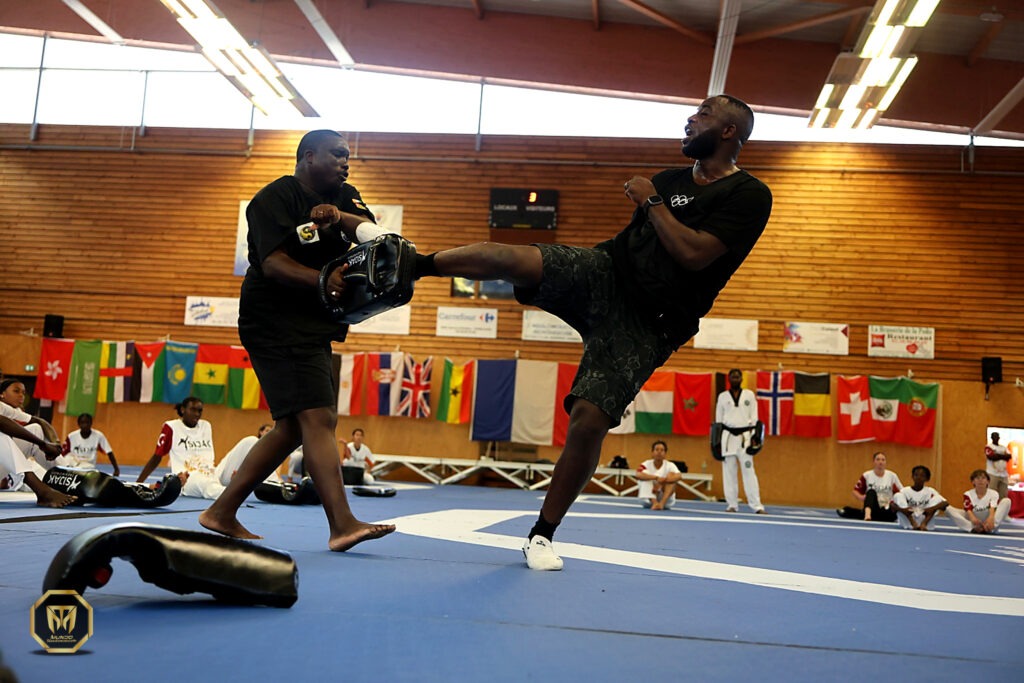
An appropriate position within the calendar, supported by a strong information and promotional campaign, could increase participation and transform the competition in the Republic of the Congo into one of the continent’s major sporting events.
The request made by several teams that have approached MundoTaekwondo is constructive: to protect the event, encourage the participation of Africa’s best athletes and ensure that the available ranking points have the greatest possible impact on their careers.
The African Taekwondo Union needs a strong and internationally recognised President’s Cup. The Republic of the Congo deserves the opportunity to organise a successful competition, and African athletes should have access to competitive conditions equivalent to those offered in other regions.
Through dialogue, institutional coordination and athlete-centred planning, the 2026 Africa President’s Cup can become a strategic platform for continuing to raise the standard of taekwondo across the continent. However, on the road to Los Angeles, it must not be forgotten that the event is directly connected to the Olympic ranking.
Carlos Hernández
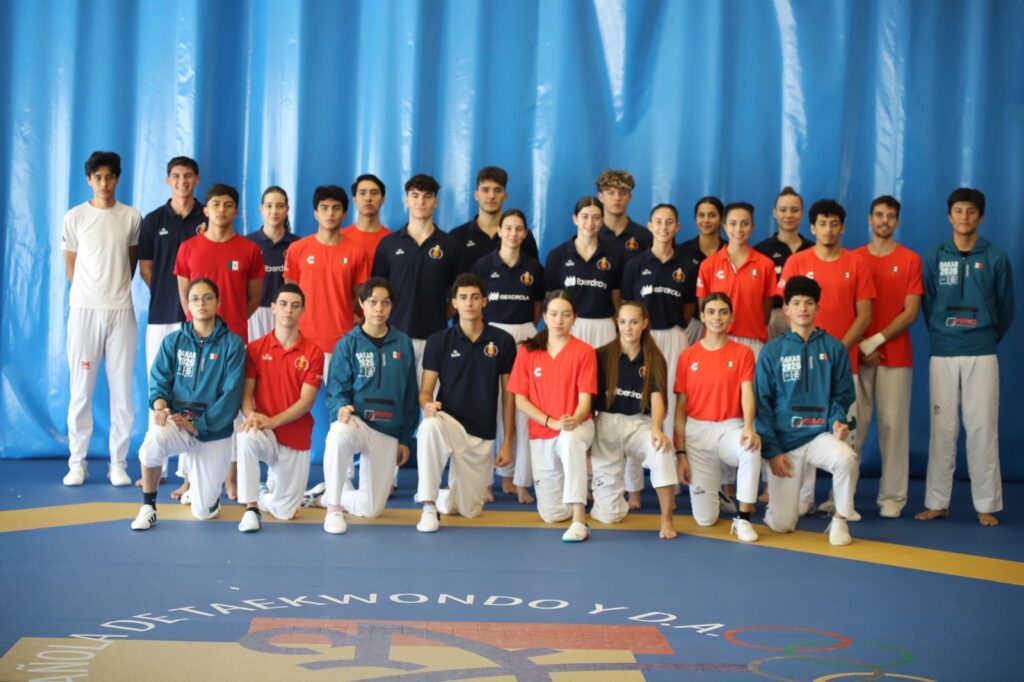

TAEKWONDO DE ESPAÑA Y MÉXICO EN EL CAR DE MADRID CON INTENSAS JORNADAS DE ENTRENAMIENTO Y COMBATES
Las selecciones nacionales de taekwondo de España y México desarrollan un importante intercambio deportivo en el Centro de Alto Rendimiento (CAR) de Madrid, donde atletas de ambas delegaciones participan en sesiones de preparación técnica, táctica y jornadas de combates, con el objetivo de fortalecer su nivel competitivo de cara a
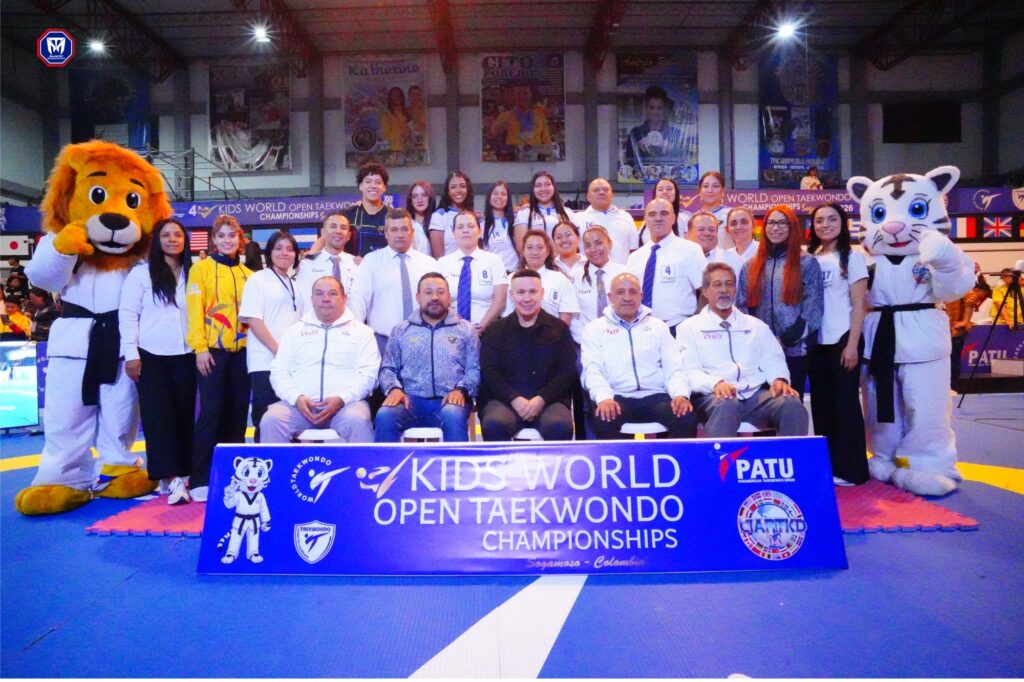
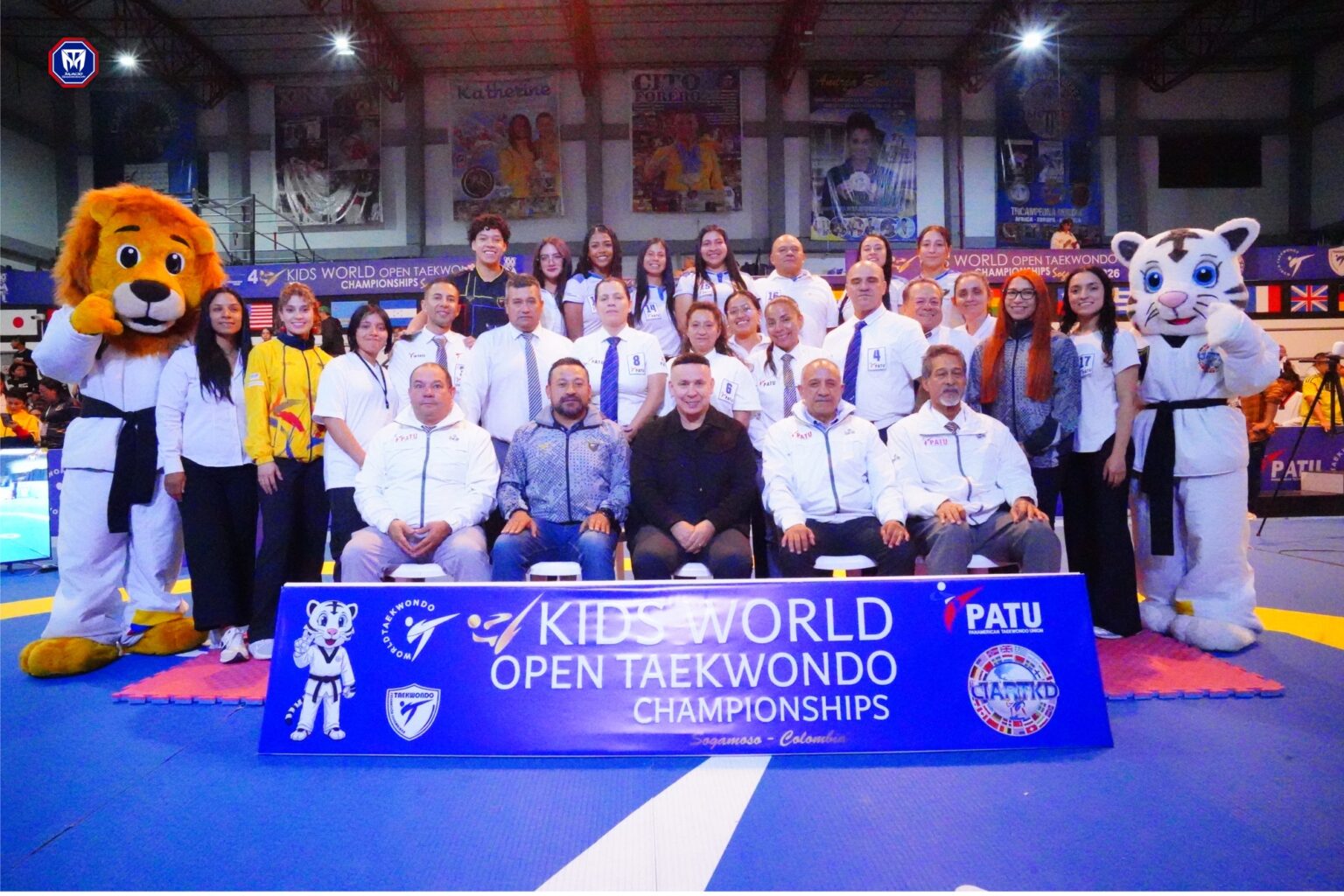
SOGAMOSO SE CONSOLIDA COMO CAPITAL MUNDIAL DEL TAEKWONDO INFANTIL CON EL KIDS WORLD OPEN 2026
Atletas de Colombia, Ecuador, Trinidad y Tobago, Venezuela, Estados Unidos, México y otros países protagonizan una auténtica fiesta internacional del taekwondo en el CIART, con una organización de primer nivel, inclusión deportiva y supervisión de la Unión Panamericana de Taekwondo (PATU). Sogamoso, Colombia | MundoTaekwondo.com El talento, la emoción y
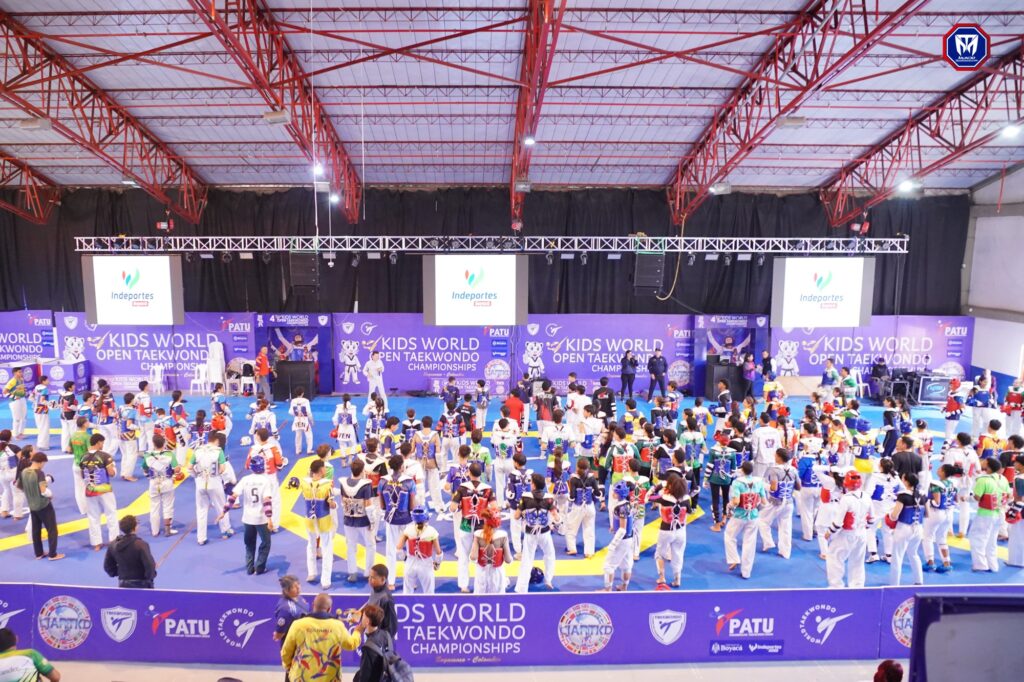
SIGUEN LAS ACCIONES DESDE COLOMBIA CON MASIVO Y EXITOSO CAMPAMENTO
Cientos de atletas de diferentes países participan en jornadas de entrenamiento de alto nivel en el CIART de Colombia, en una intensa programación que incluye el Kids World Open, el PATU 12 Colombia y el Campamento Nacional G2 2026. La preparación técnica y táctica, el intercambio internacional y la búsqueda
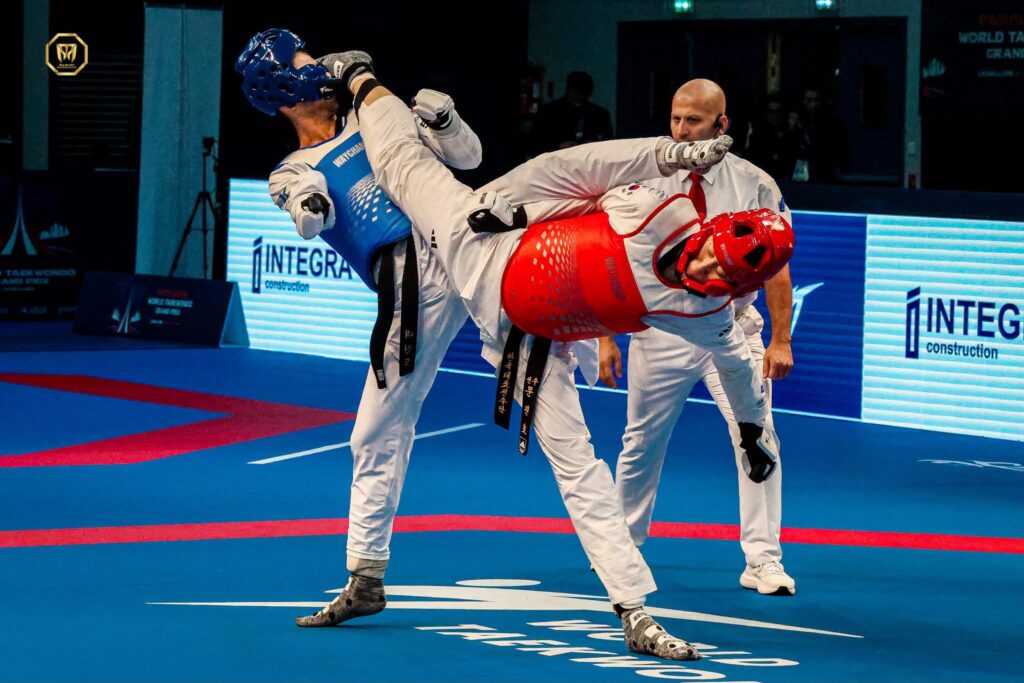
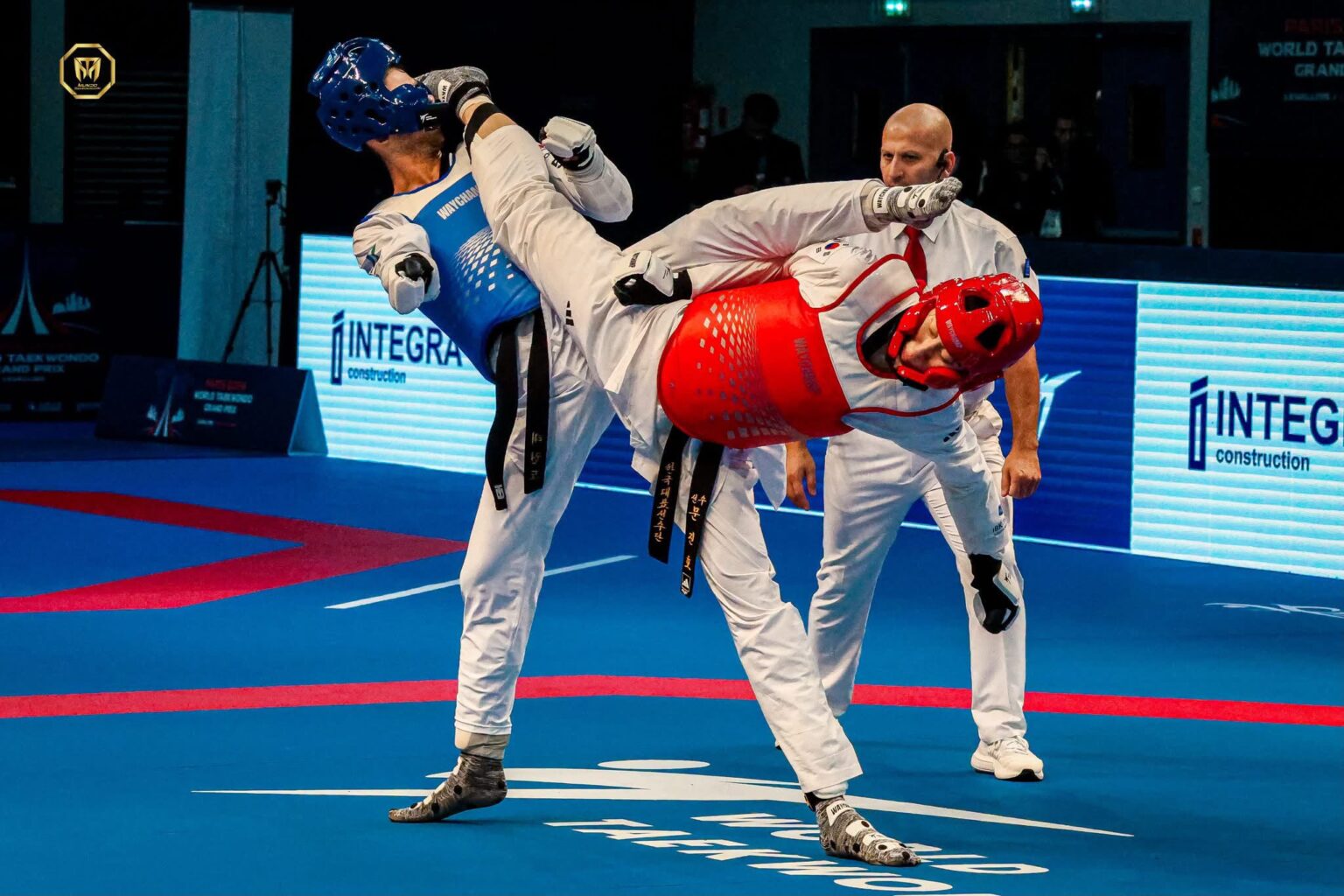
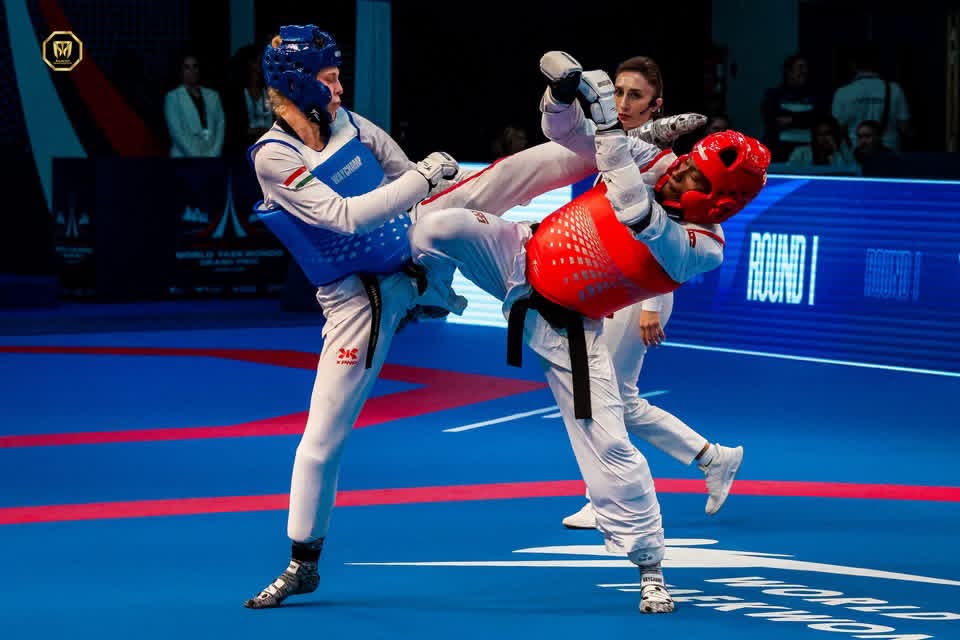
PARIS 2026: BRAZIL AND IRAN LEAD GRAND PRIX AS PARA TAEKWONDO CELEBRATES HISTORIC BREAKTHROUGHS
Four days of elite competition, 18 champions and 72 medals mark a successful World Taekwondo and Para Taekwondo Grand Prix in France. Asia dominates the Olympic medal standings, Brazil excels across both disciplines, and Para Taekwondo demonstrates its growing international strength. MUNDOTAEKWONDO | PARIS, FRANCE | 11 OCTOBER 2026 The
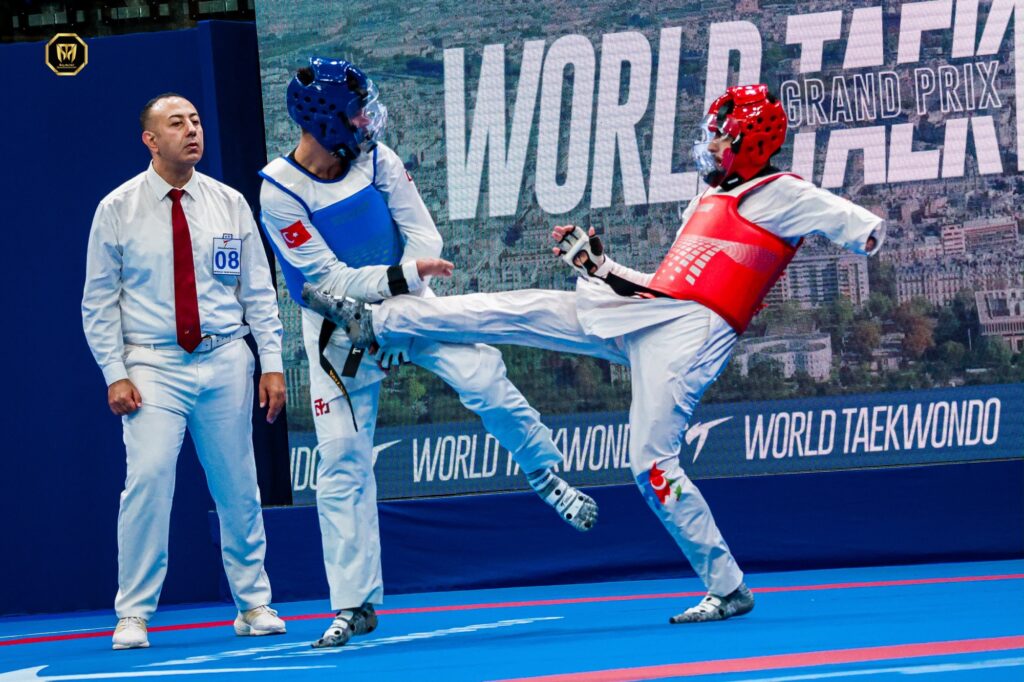
Para Taekwondo shines in Paris as Mexico, Brazil and Russia dominate Grand Prix (Full Results)
Para Taekwondo shines in Paris as Mexico, Brazil and Russia dominate Grand Prix (Full Results)
Mexico, Brazil and Russia claimed two gold medals each at the Paris 2026 World Para Taekwondo Grand Prix, where 113 athletes competed across ten weight categories.
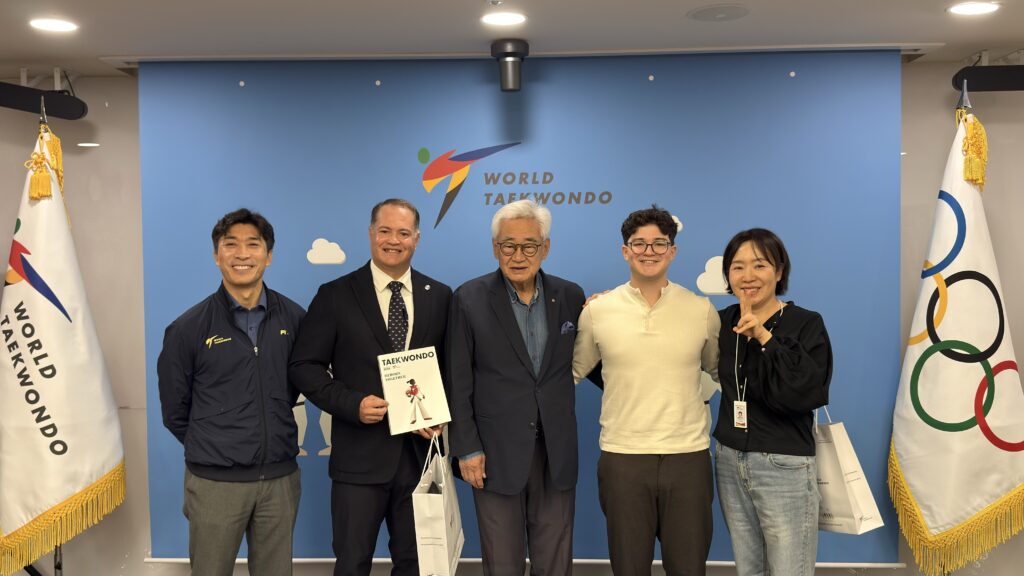
Mundotaekwondo.com reconoce en Seúl a la gestión olímpica y humanitaria de la World Taekwondo
SEÚL, Corea del Sur – 22 de septiembre — Desde Mundotaekwondo.com, informamos sobre la reciente visita oficial realizada a la sede principal de la World Taekwondo (WT) en Seúl. La comitiva, integrada por nuestro CEO, Carlos Hernández, y el Director de Operaciones, Ricardo Hernández, acudió tras atender a una invitación formal de
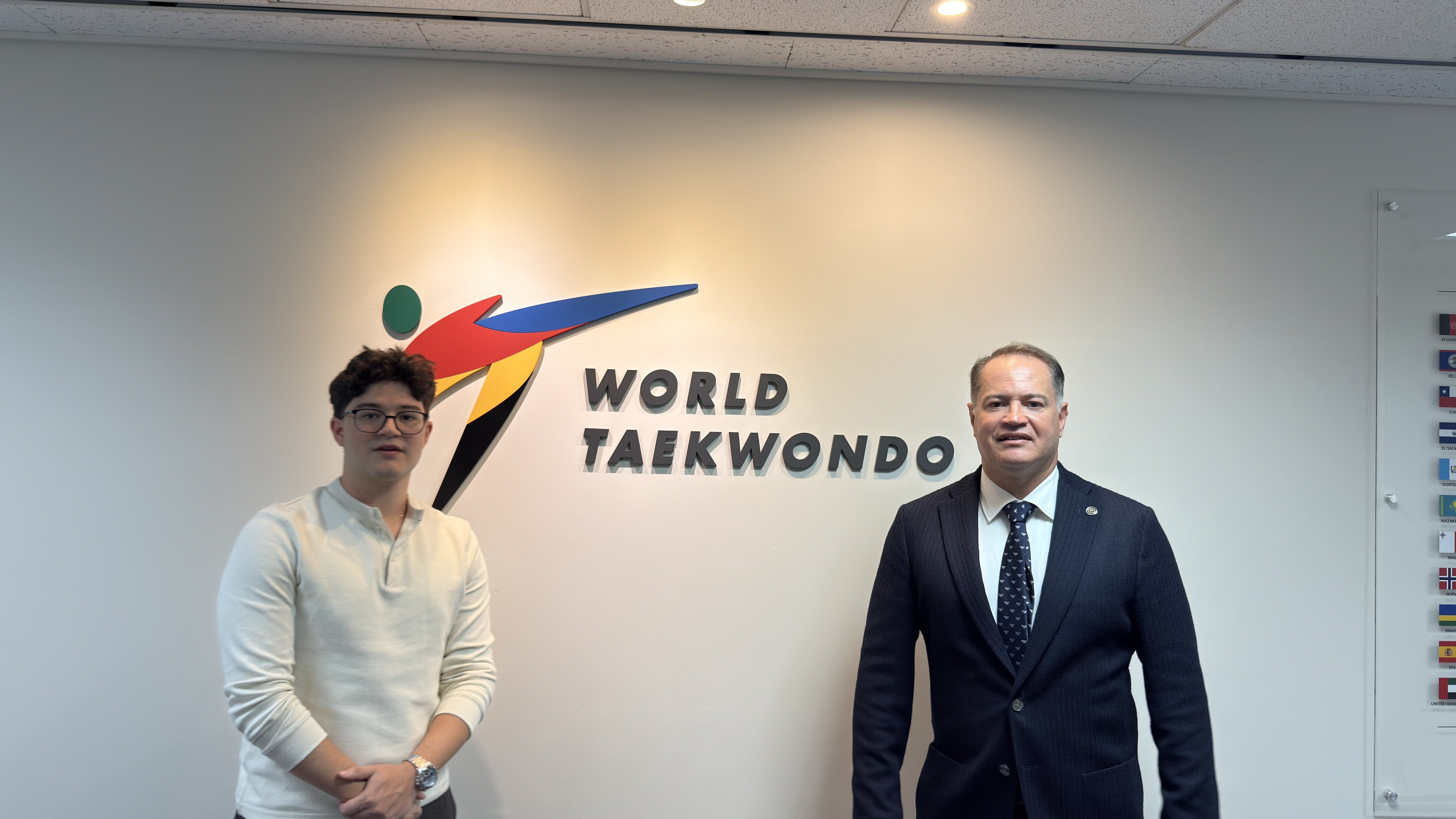
MundoTaekwondo concluye con éxito histórica cobertura y gira institucional por Corea del Sur
MundoTaekwondo.com cerró en Corea del Sur una de las giras más intensas y significativas de su trayectoria reciente, desarrollada en el contexto de la cobertura del Campeonato Mundial de Poomsae Chuncheon 2026 y complementada con una agenda institucional que permitió a su directiva acercarse directamente a dos de las organizaciones
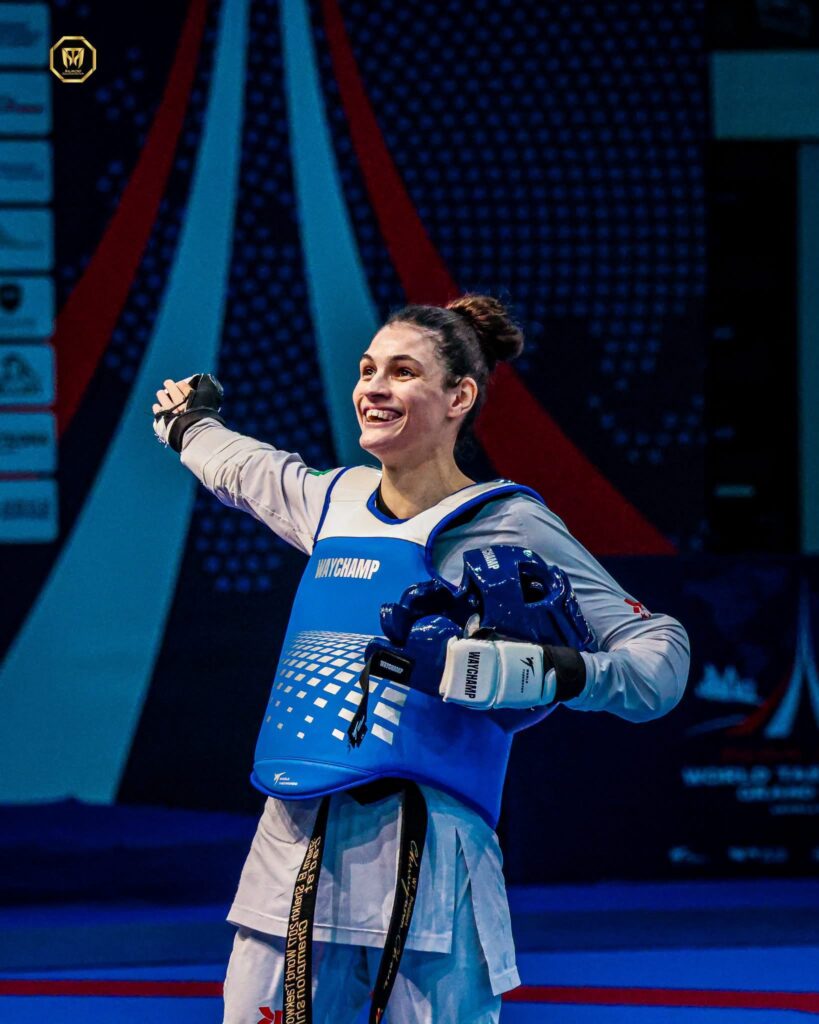
María Clara Pacheco (Brasil): La tormenta perfecta rumbo a Los Ángeles 2028
Maria Clara Pacheco se ha consolidado como la número 1 del ranking mundial en la categoría de -57 kg, encadenando una racha histórica e invicta durante el año 2026 que la sitúa como la máxima referencia del taekwondo sudamericano. El taekwondo mundial tiene una reina ndiscutible en este momento, y
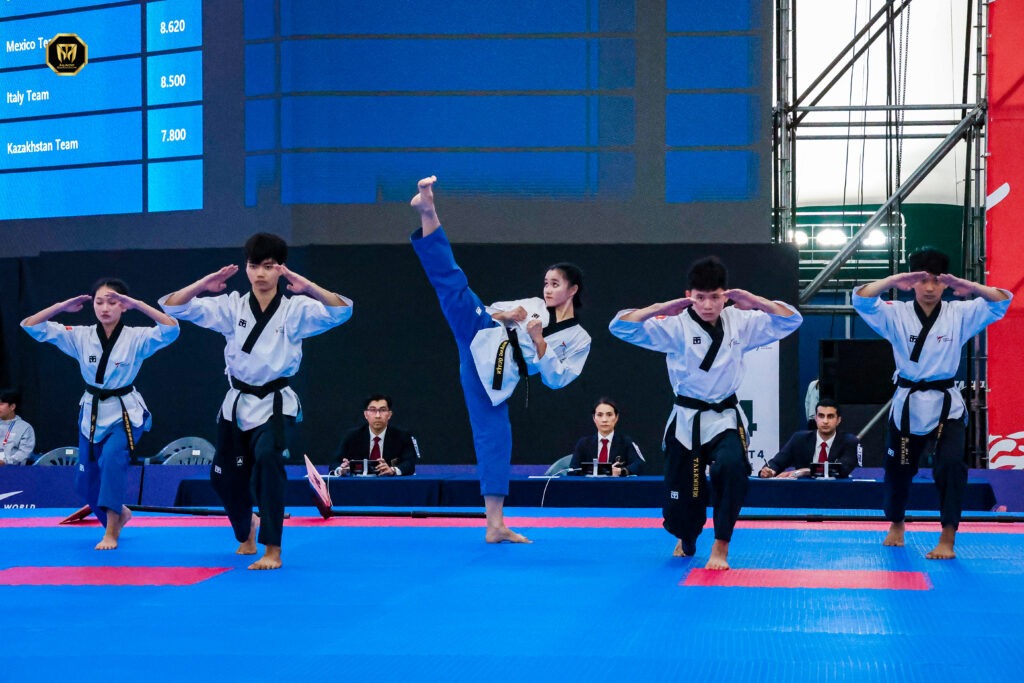
CHUNCHEON 2026 CORONA A LOS NUEVOS REYES DEL POOMSAE MUNDIAL
El Chuncheon 2026 World Taekwondo Poomsae Championships ha llegado a su fin tras cinco jornadas épicas de pura precisión, dinamismo y marcialidad. Con el marco del moderno Air Dome del
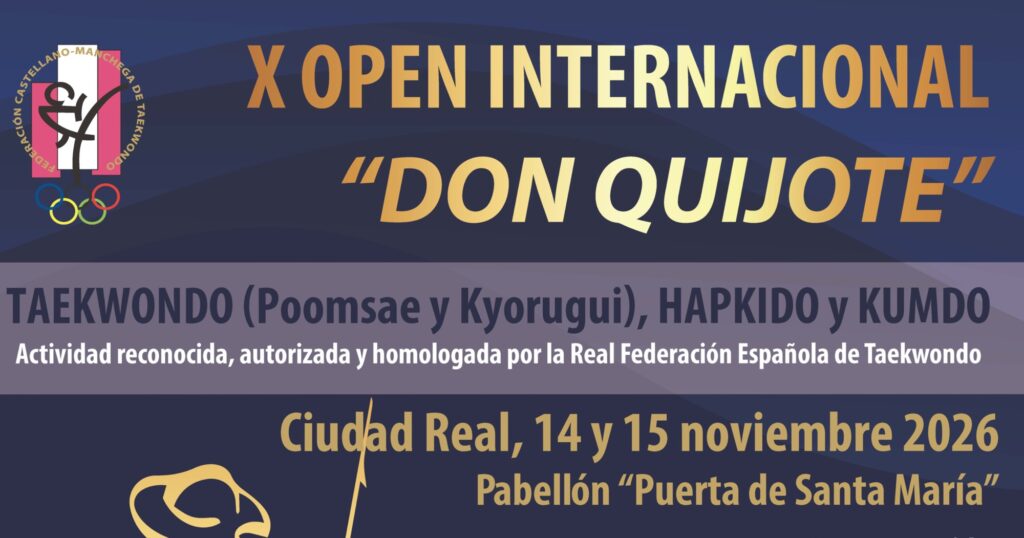
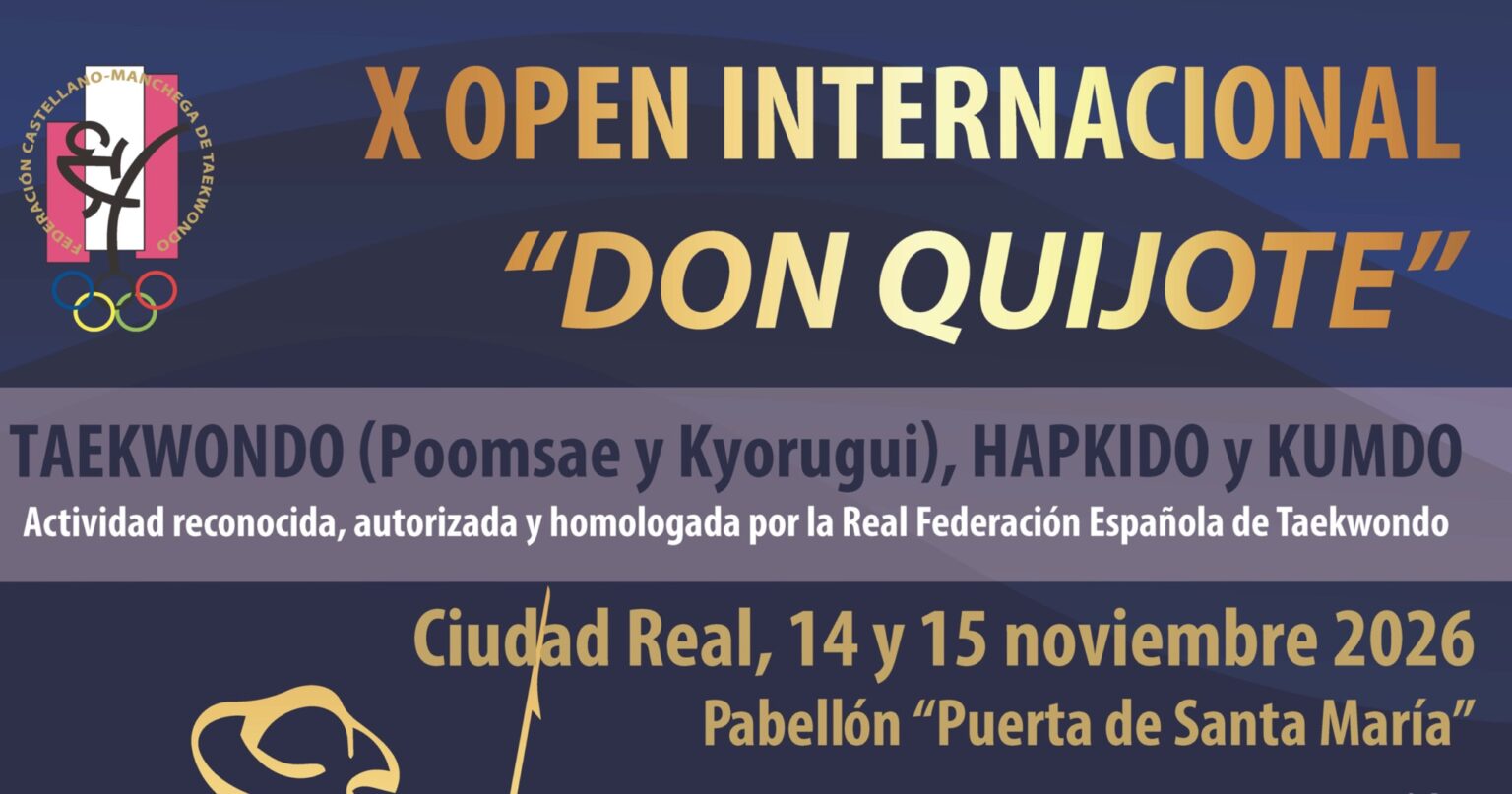
El Open Don Quijote celebra su décima edición y convierte a Ciudad Real en una gran fiesta del Taekwondo
Open Don Quijote en Ciudad Real
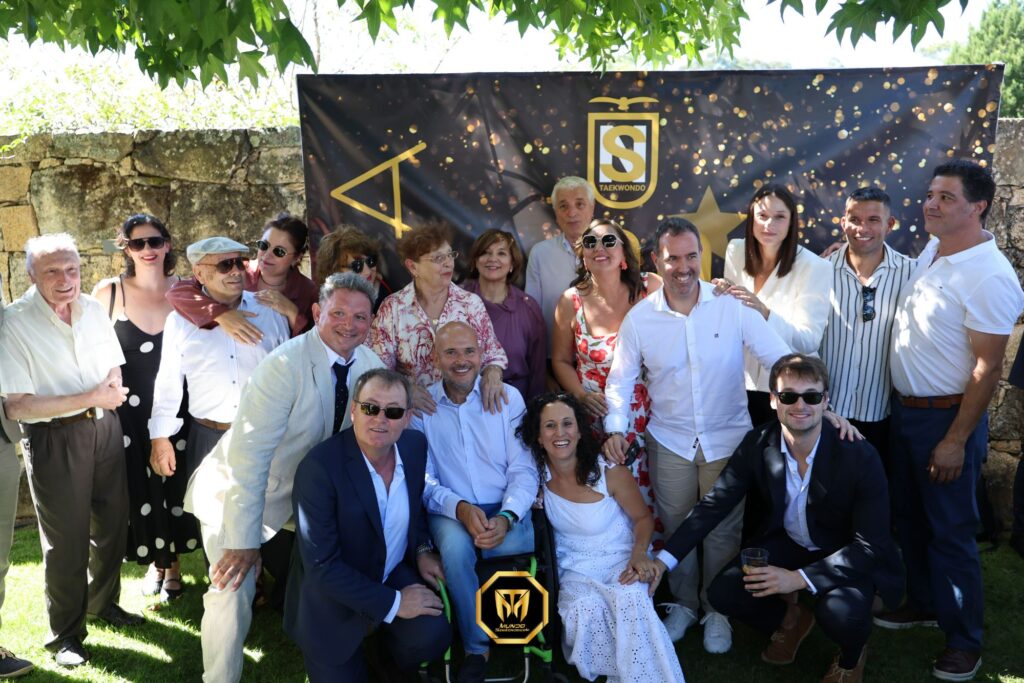
GALICIA SE VISTIÓ DE GALA: NATURAL SPORT CELEBRÓ 30 AÑOS DE HISTORIA, CAMPEONES Y LEGADO
RIBEIRA, GALICIA.– Hay aniversarios que se celebran con una cena, una fotografía y un brindis. Y hay otros que obligan a mirar atrás para comprender todo lo construido. Natural Sport
TAEKWONDO DE ESPAÑA Y MÉXICO EN EL CAR DE MADRID CON INTENSAS JORNADAS DE ENTRENAMIENTO Y COMBATES
Las selecciones nacionales de taekwondo de España y México desarrollan un importante intercambio deportivo en el Centro de Alto Rendimiento (CAR) de Madrid, donde atletas de ambas delegaciones participan en sesiones de preparación técnica, táctica y jornadas de combates, con el objetivo de fortalecer su nivel competitivo de cara a
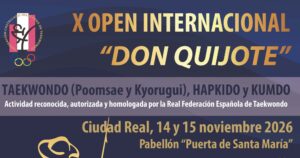
El Open Don Quijote celebra su décima edición y convierte a Ciudad Real en una gran fiesta del Taekwondo
Open Don Quijote en Ciudad Real
SOGAMOSO SE CONSOLIDA COMO CAPITAL MUNDIAL DEL TAEKWONDO INFANTIL CON EL KIDS WORLD OPEN 2026
Atletas de Colombia, Ecuador, Trinidad y Tobago, Venezuela, Estados Unidos, México y otros países protagonizan una auténtica fiesta internacional del taekwondo en el CIART, con una organización de primer nivel, inclusión deportiva y supervisión de la Unión Panamericana de Taekwondo (PATU). Sogamoso, Colombia | MundoTaekwondo.com El talento, la emoción y
MundoTaekwondo concluye con éxito histórica cobertura y gira institucional por Corea del Sur
MundoTaekwondo.com cerró en Corea del Sur una de las giras más intensas y significativas de su trayectoria reciente, desarrollada en el contexto de la cobertura del Campeonato Mundial de Poomsae Chuncheon 2026 y complementada con una agenda institucional que permitió a su directiva acercarse directamente a dos de las organizaciones